6 hr
Lipica Stud Farm & Škocjan Caves Day Trip from Trieste
- Expert local guide
- Small group
- Skip-the-line access
- Free cancellation
Škocjan Caves — UNESCO Underground Canyon from Trieste
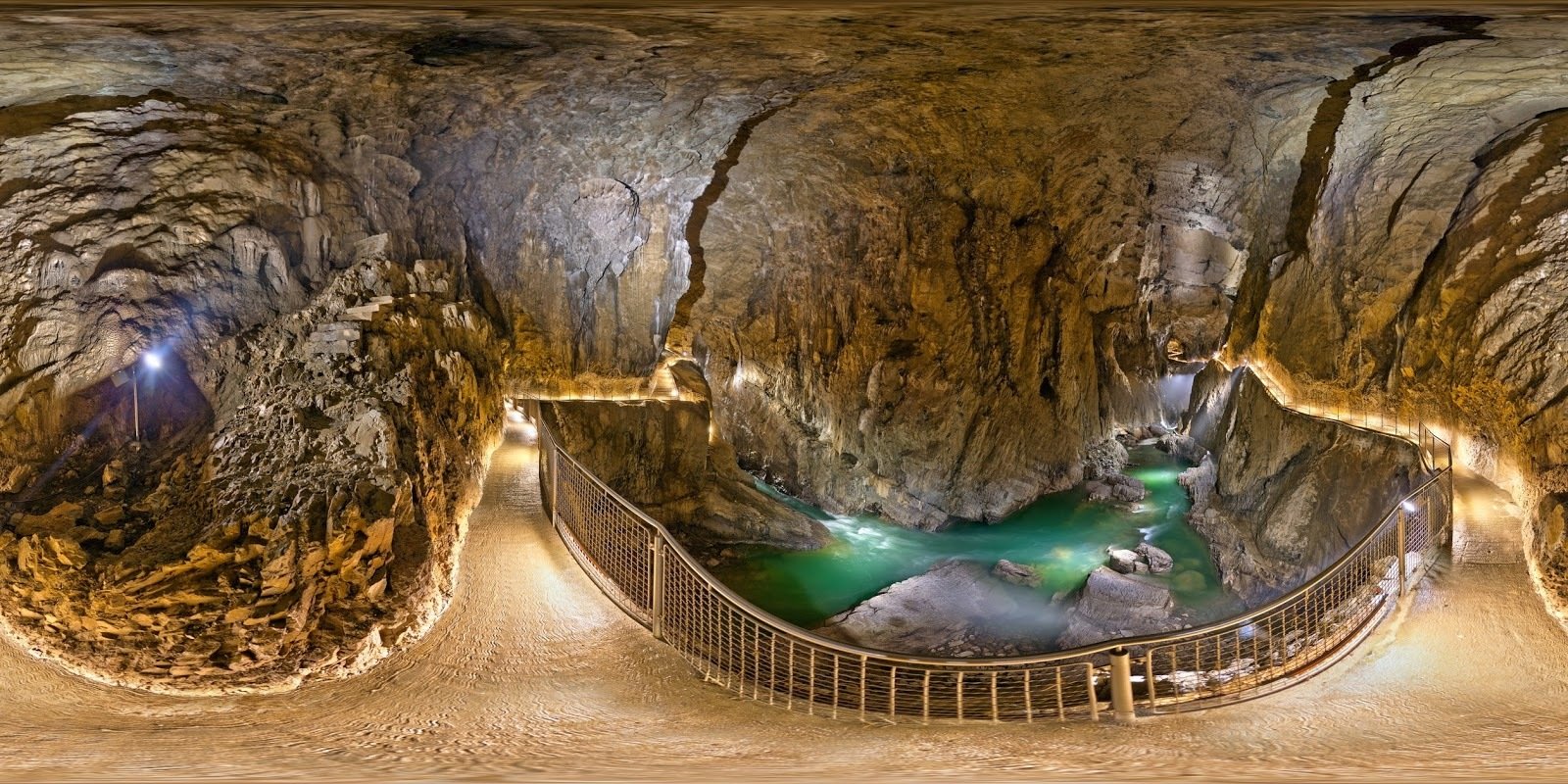
Europe's deepest accessible river gorge, carved beneath the Karst Plateau
Compare fares, pick the fit — all bookings are mobile-voucher and eligible for free cancellation where shown.
6 hr
6 hr
1 hr
| Experience | From | Duration | Rating | Skip-the-line | Guide | Free cancel. | Price | |
|---|---|---|---|---|---|---|---|---|
|
Guided Experience
Most popular
Lipica Stud Farm & Škocjan Caves Day Trip from Trieste
|
Trieste | 6 hr | ★ 4.9 | ✓ | ✓ | ✓ | €113 | Book → |
|
Guided Experience
Postojna Cave & Predjama Castle Day Trip from Trieste
|
Trieste | 6 hr | ★ 4.8 | ✓ | ✓ | ✓ | €120 | Book → |
|
Standard Entry
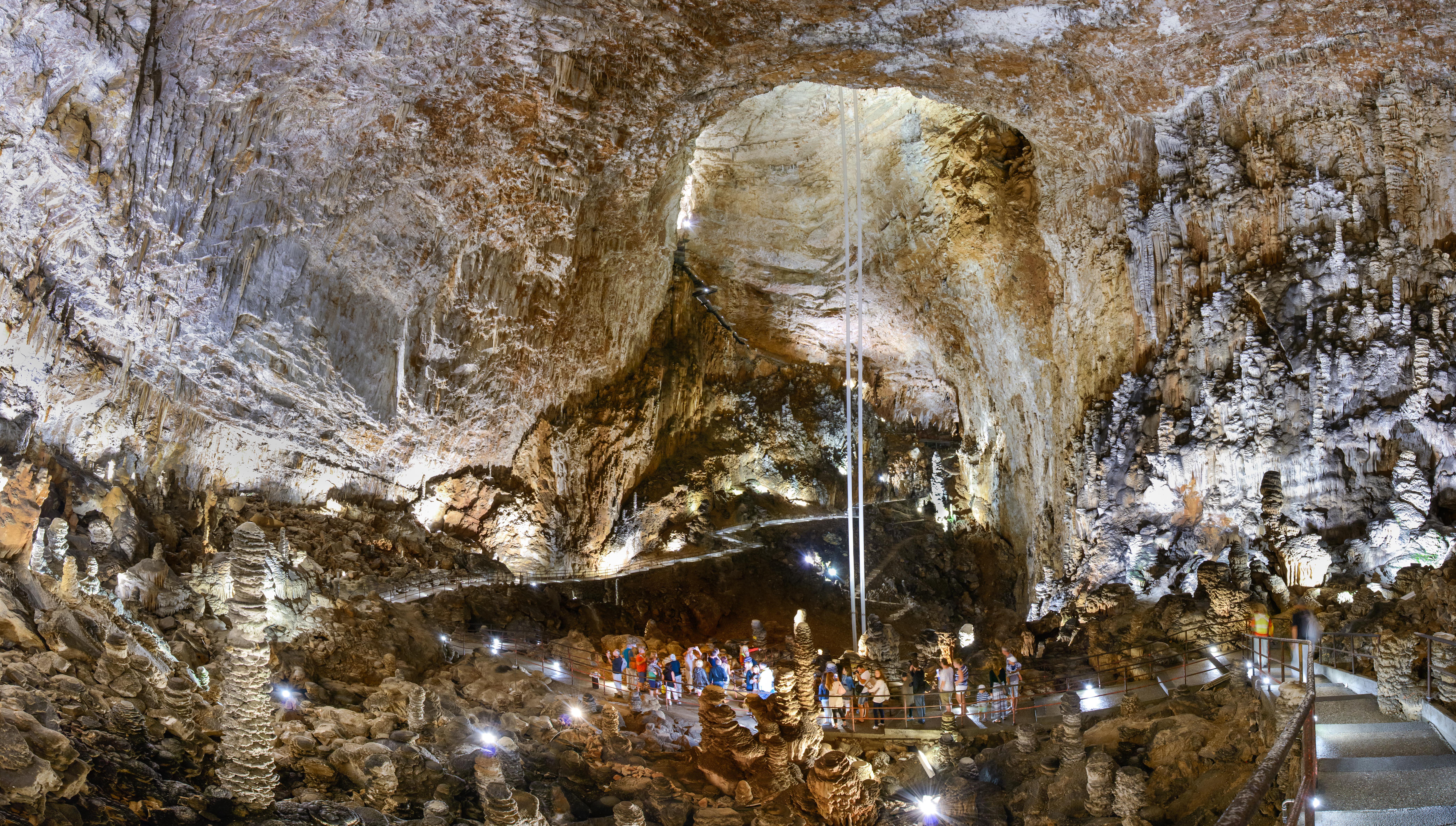
Grotta Gigante Cave Tour with Museum Access
|
— | 1 hr | ★ 4.8 | — | ✓ | ✓ | €15 | Book → |
Worth it for nature lovers and geology enthusiasts
The Škocjan Caves from Trieste deliver exceptional value for visitors seeking a UNESCO World Heritage geological experience just 90 minutes across the border. The 24 EUR entrance fee grants access to one of the world's most impressive karst cave systems, featuring a 146-meter-deep underground canyon and the subterranean Reka River. The guided tour covers approximately 3 kilometers through chambers that rival any European cave network in scale and drama. Day-trippers from Trieste benefit from proximity—closer than Postojna Cave—and lower crowds compared to Slovenia's more commercialized alternatives. The experience justifies the cost for anyone interested in underground formations, river canyon ecosystems, or UNESCO natural sites. Casual tourists seeking quick photo opportunities may find better value elsewhere, but those willing to descend 500 steps and spend 90 minutes underground will encounter one of Central Europe's most significant speleological landmarks. The caves' geological importance and relatively intact natural state make skocjan caves from trieste tours a defensible investment for the right visitor profile.
Bottom line: The 24 EUR entrance fee represents solid value for geology enthusiasts and nature-focused travelers willing to descend into one of Europe's most dramatic underground river canyons.
They complement each other; most visitors who do both call Škocjan Caves the more authentic, wild experience, while Postojna provides a highly accessible, train-assisted tour for those seeking ease of access from Trieste.
|
Top pick Škocjan Caves |
Postojna Cave | |
|---|---|---|
| Authenticity vs Infrastructure | UNESCO heritage site; wild nature | Highly developed; tourist-focused infrastructure |
| Crowd Levels | Moderate; restricted group sizes | High; large visitor volume |
| Ease of Access from Trieste | Easy drive or bus transport | Direct highway access from Trieste |
| Physical Requirements | High; 500 steps involved | Low; underground electric train access |
| Photographic Opportunities | Limited; no flash permitted | Restricted; tour-guided pace |
| Primary Underground Feature | Underground canyon and river | Stalactite formations and train tour |
| See tickets & prices |
Verdict: Choose Škocjan caves from trieste tours for an raw encounter with geology, or opt for a Postojna skocjan caves from trieste tour if you require train transit and low physical exertion, noting that booking your skocjan caves from trieste tickets in advance remains essential for both.
Hand-picked experiences loved by thousands of travelers
9 hours
Free Cancellation
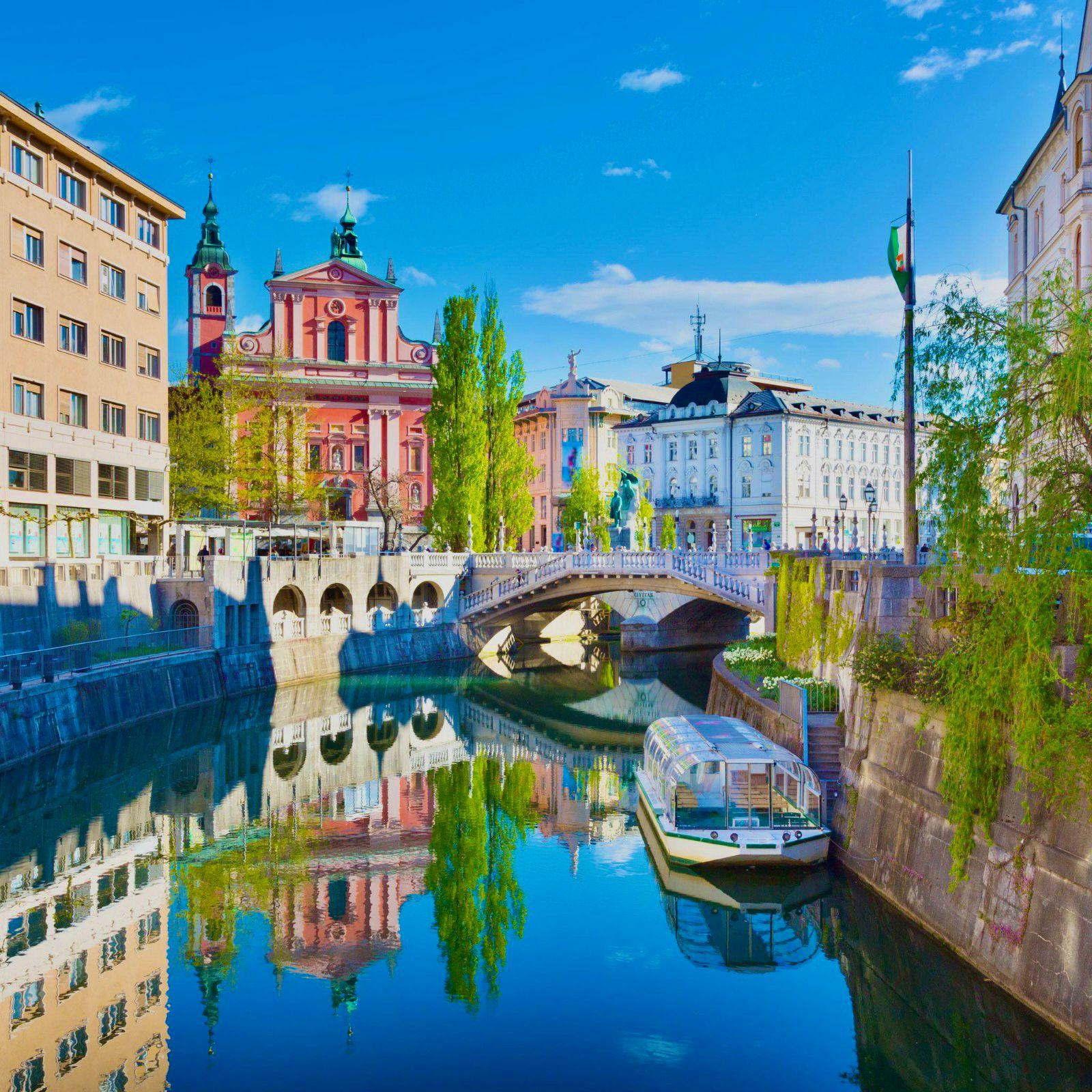
Discover Slovenia's capital and Alpine gem on a full-day guided excursion with free time to explore
2.5 hours
Free Cancellation
Explore historic hillside villages and vineyard terraces while sampling sparkling wines near Trieste
3 hours
Free Cancellation
Explore where Italian cuisine meets Habsburg heritage through tastings in historic neighborhoods
6 hours
Free Cancellation
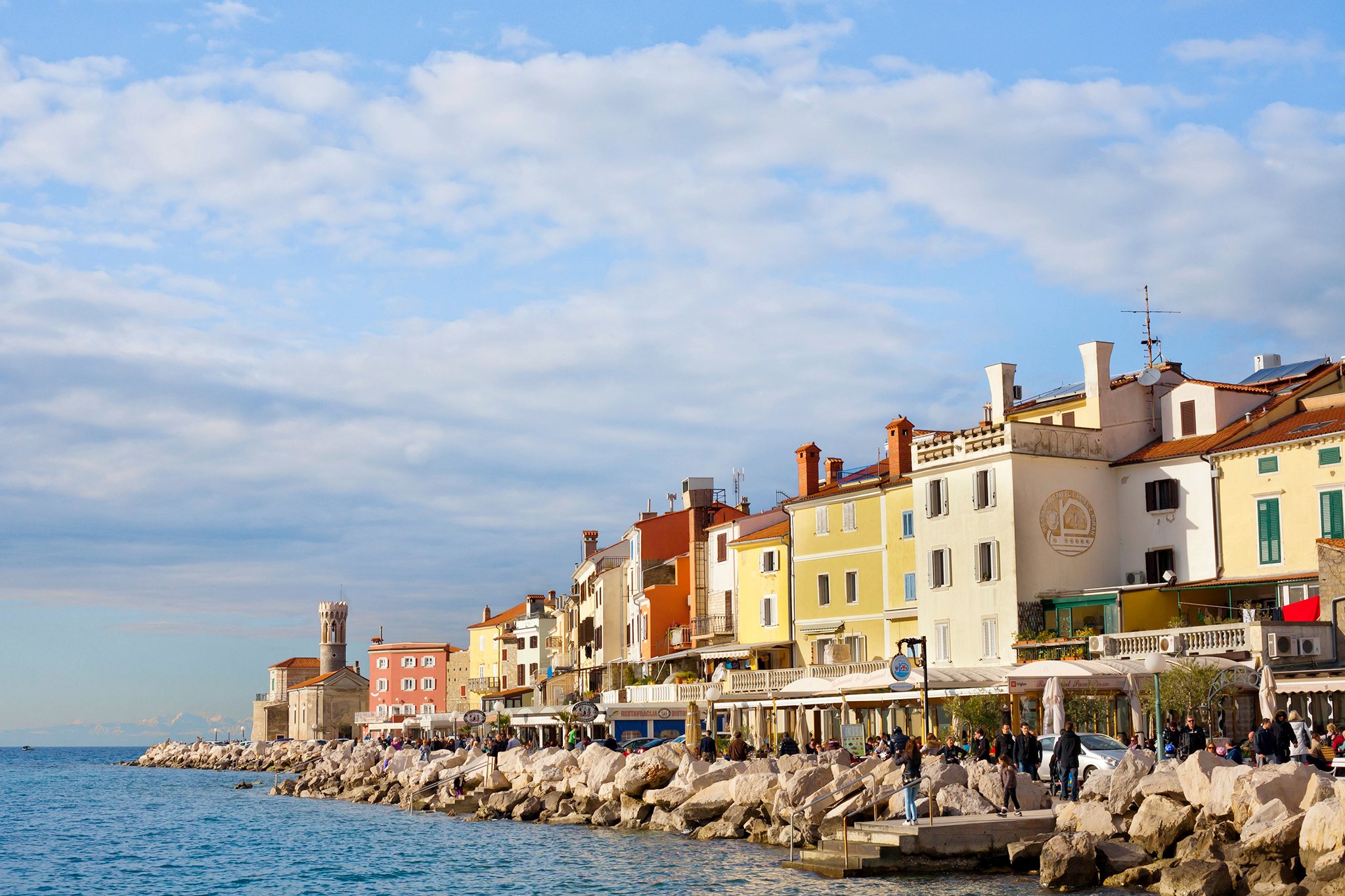
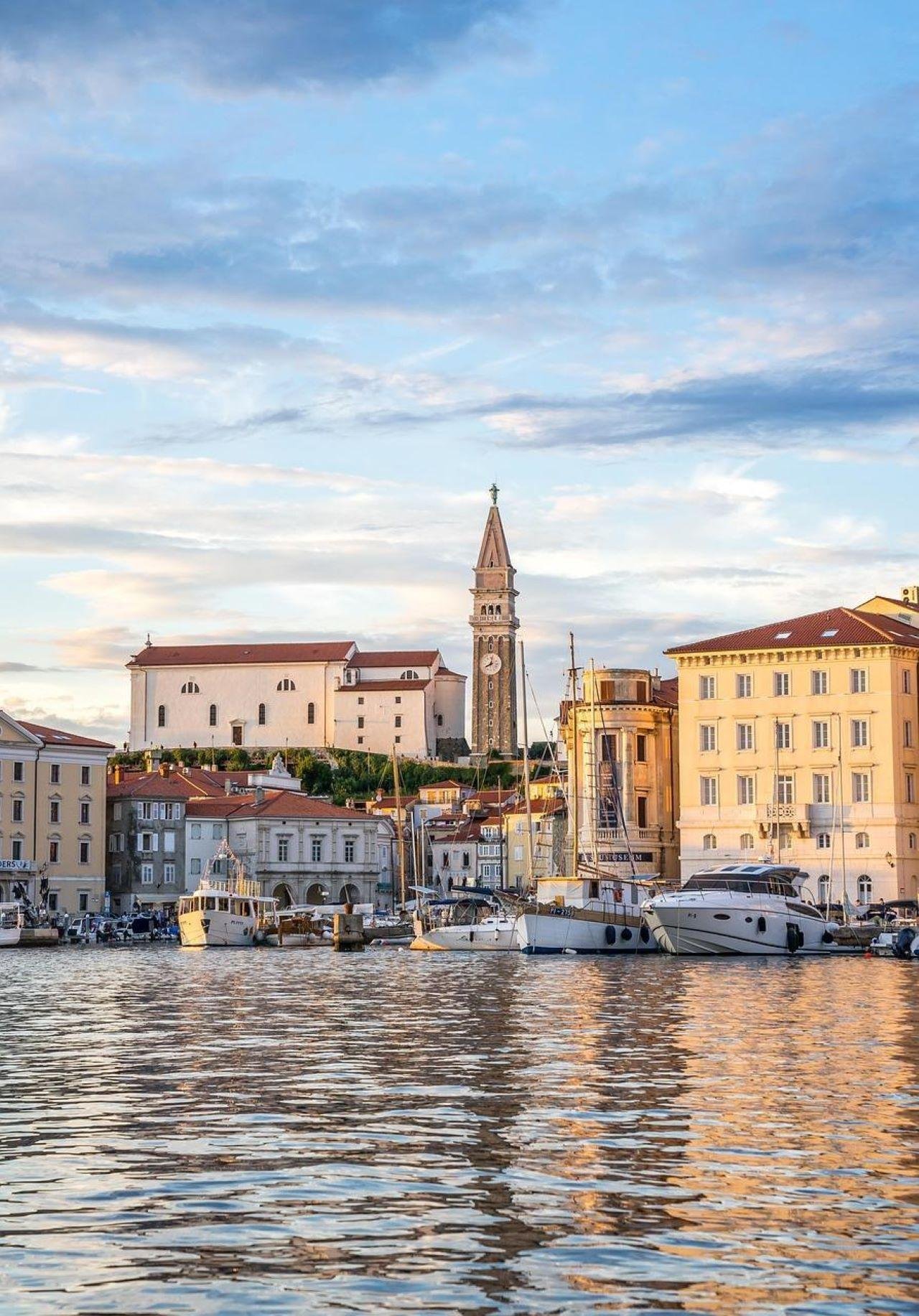
Explore historic Piran, drive the stunning Adriatic coastline, and savor Istrian flavors on this full-day adventure
5.5 hours
Free Cancellation
Explore Slovenia's Adriatic gems from Trieste—medieval towns, coastal vistas, and authentic Istrian flavors
7.5 hours
Free Cancellation
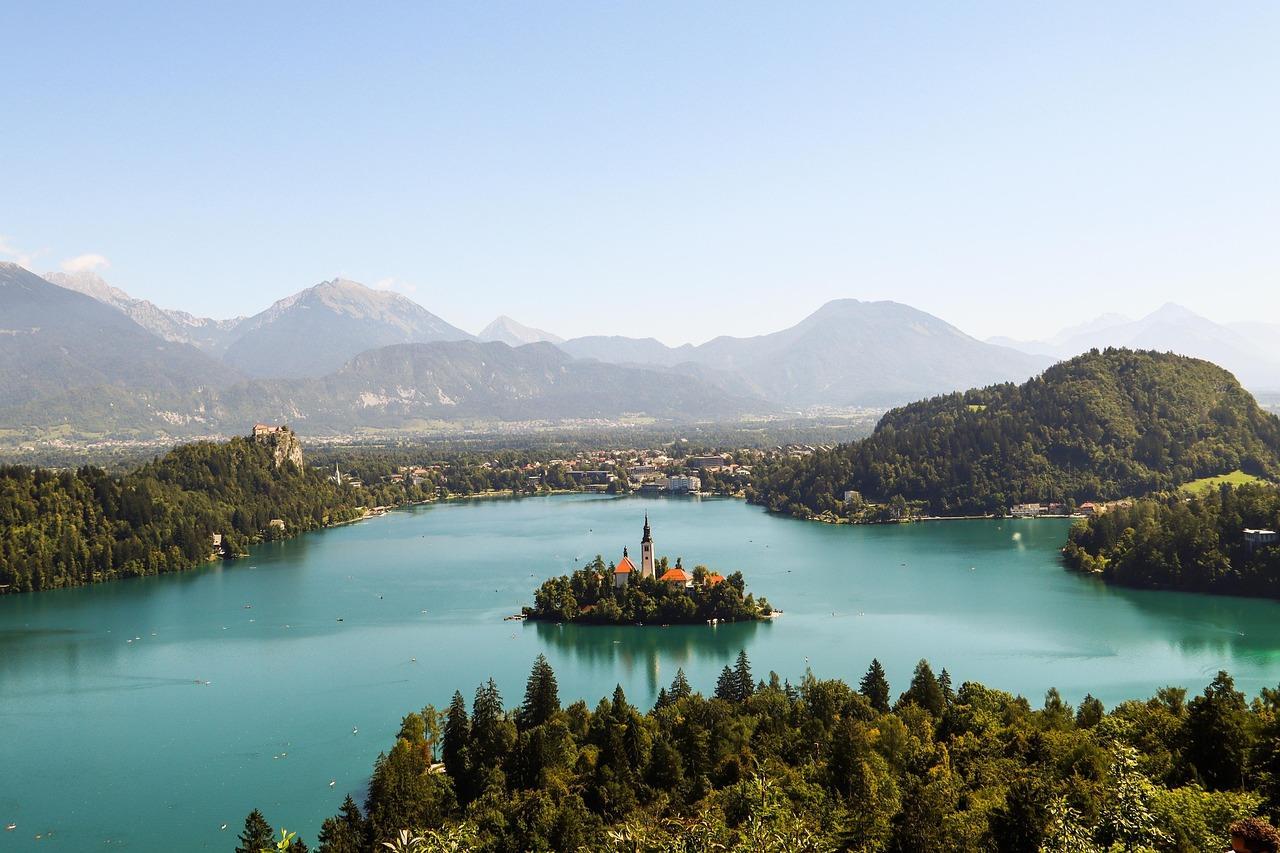
Discover Slovenia's alpine jewel and medieval charm on this day trip to Lake Bled and Radovljica
2.5 hours
Free Cancellation
Explore Trieste's layered past through Roman ruins, grand piazzas, and authentic coffee traditions
Arrival, ticket check, and guide meeting.
Walking through the Silent Cave and Murmuring Cave.
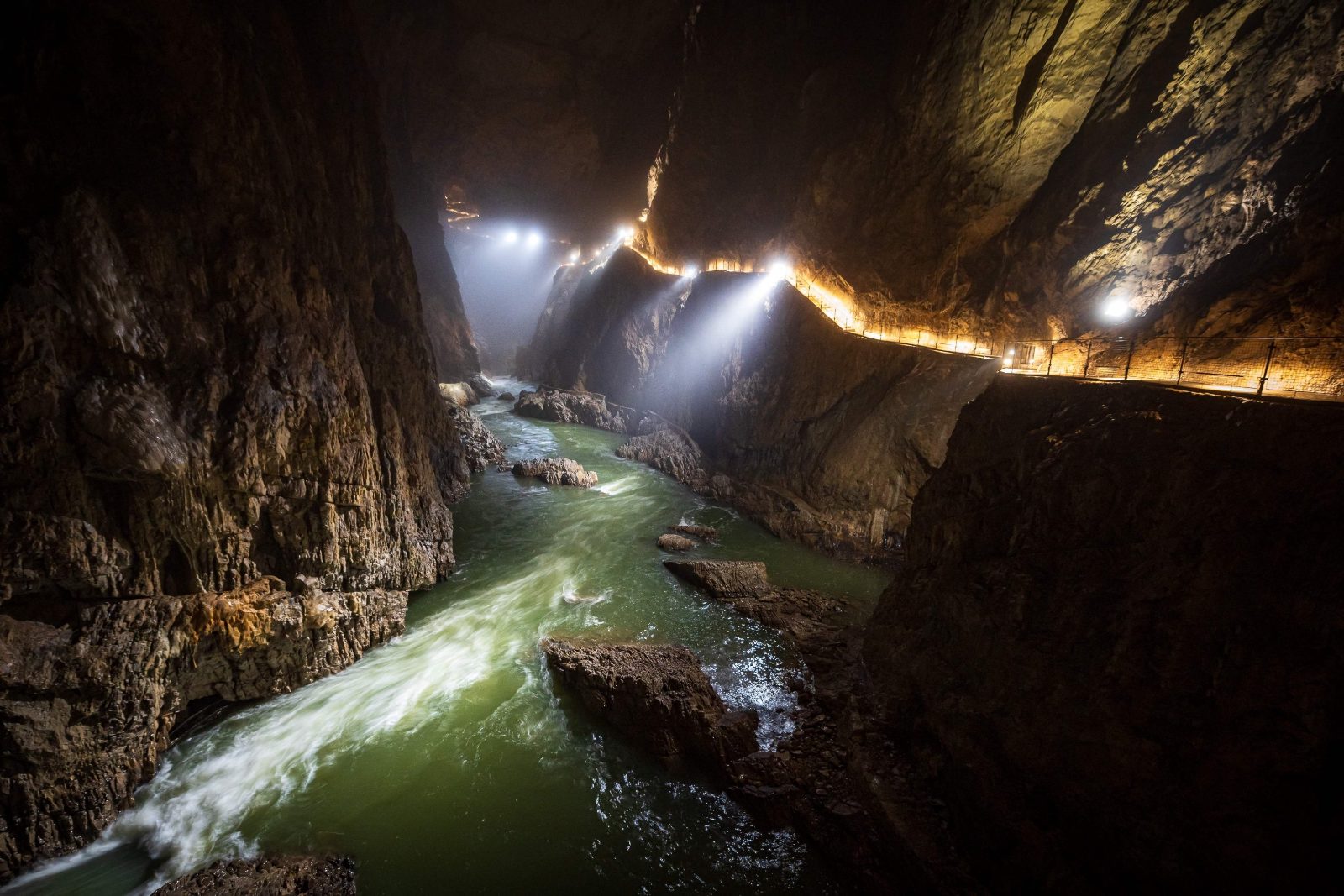
Exploring the Reka River underground gorge.
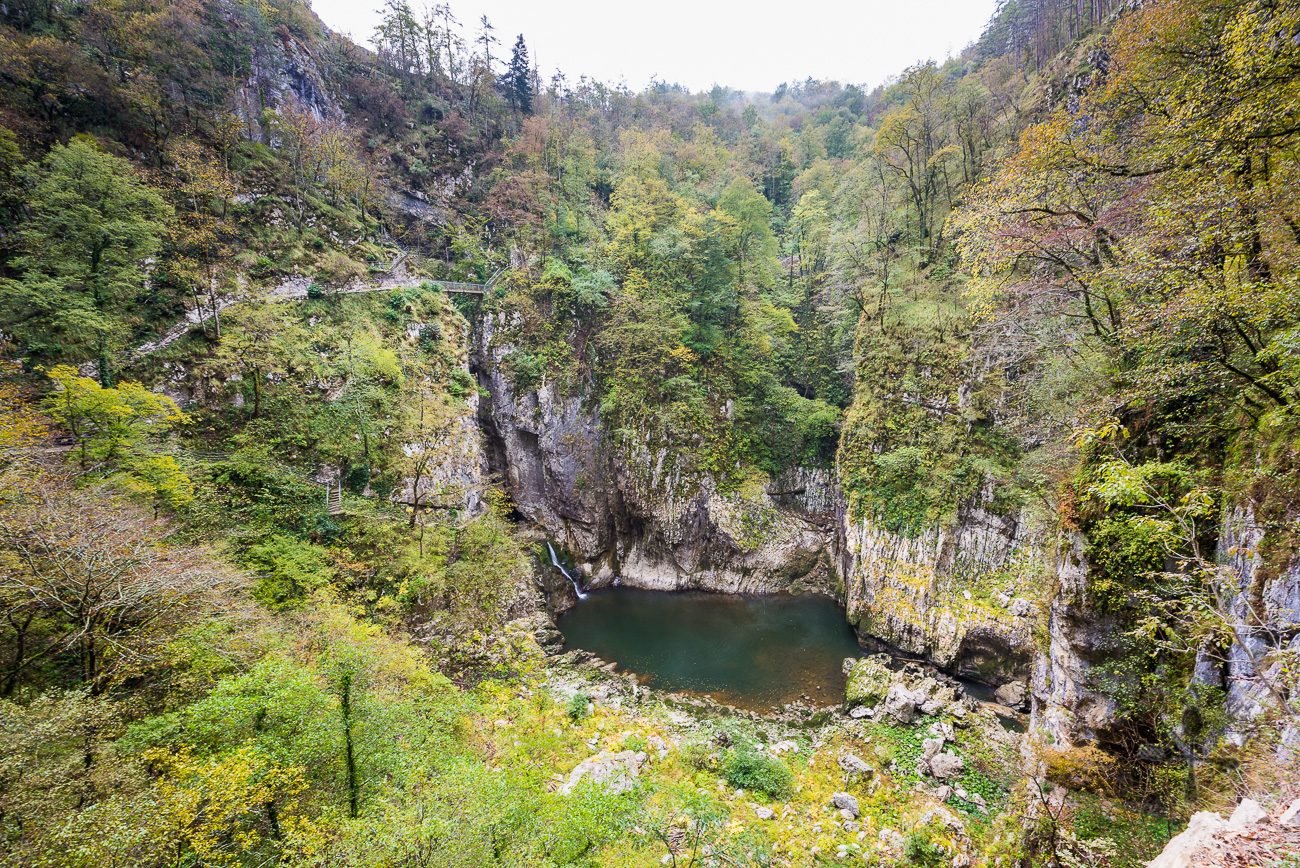
Walking independently through the collapse dolines.
Final viewing of museum collections and nature trail.
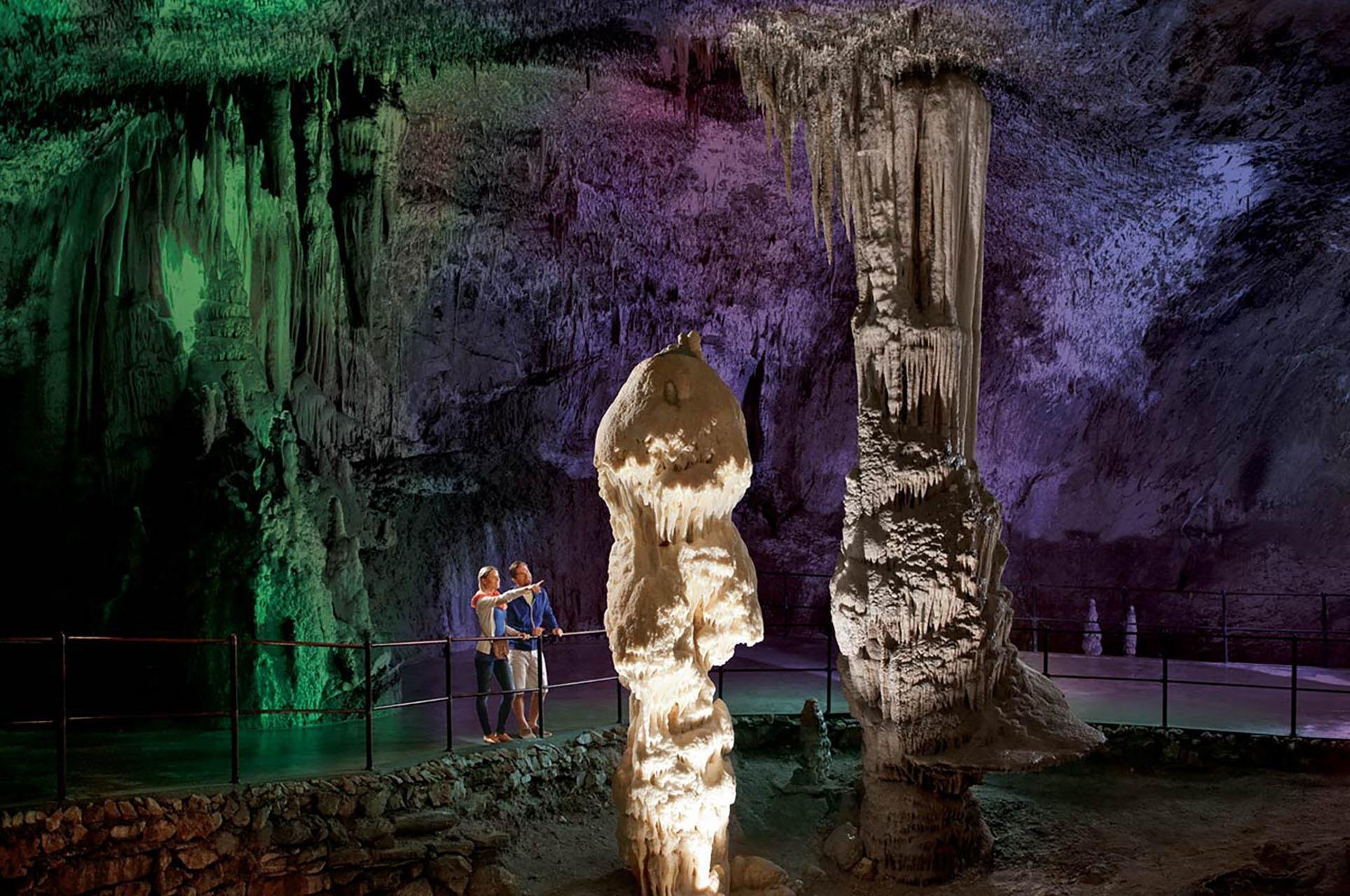
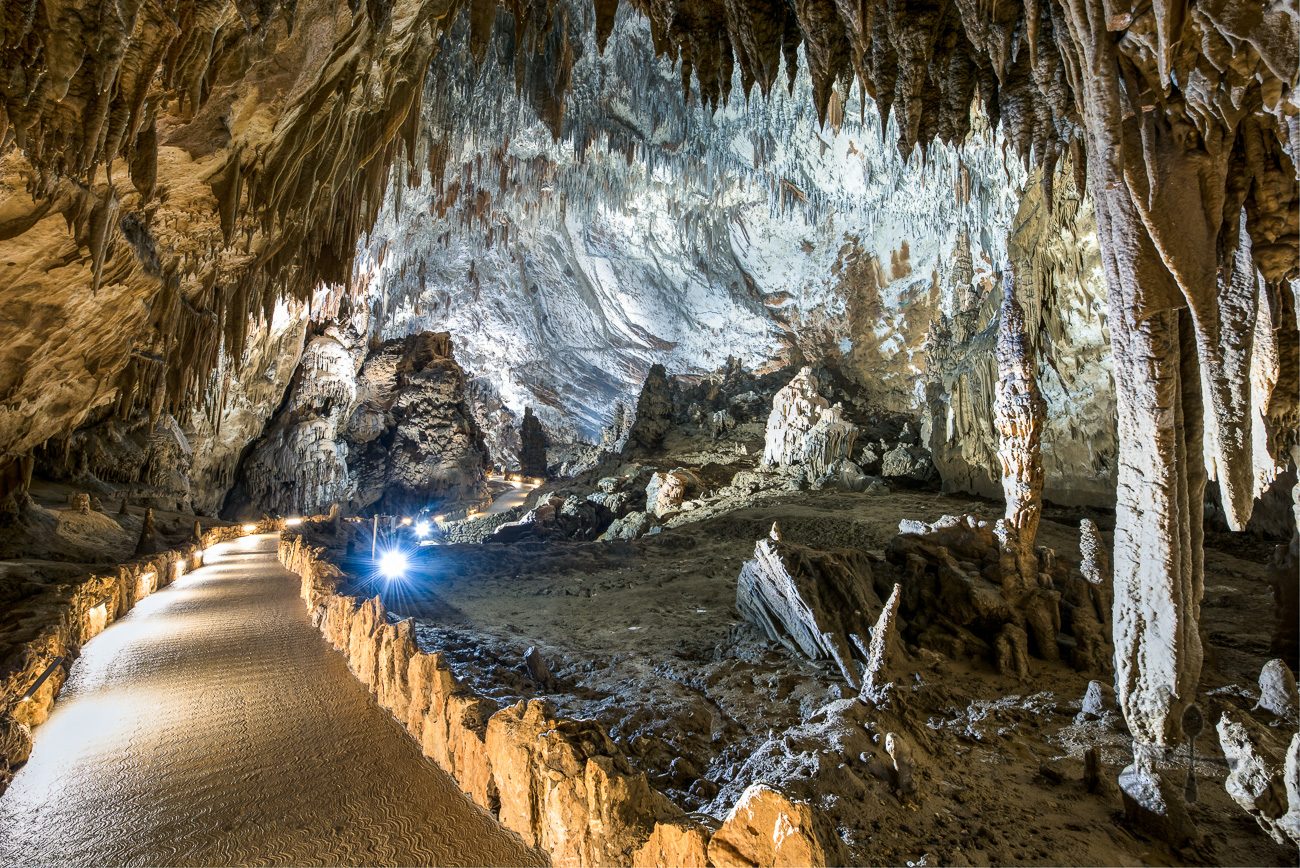
A fossil tunnel filled with diverse and ancient stalactite formations.
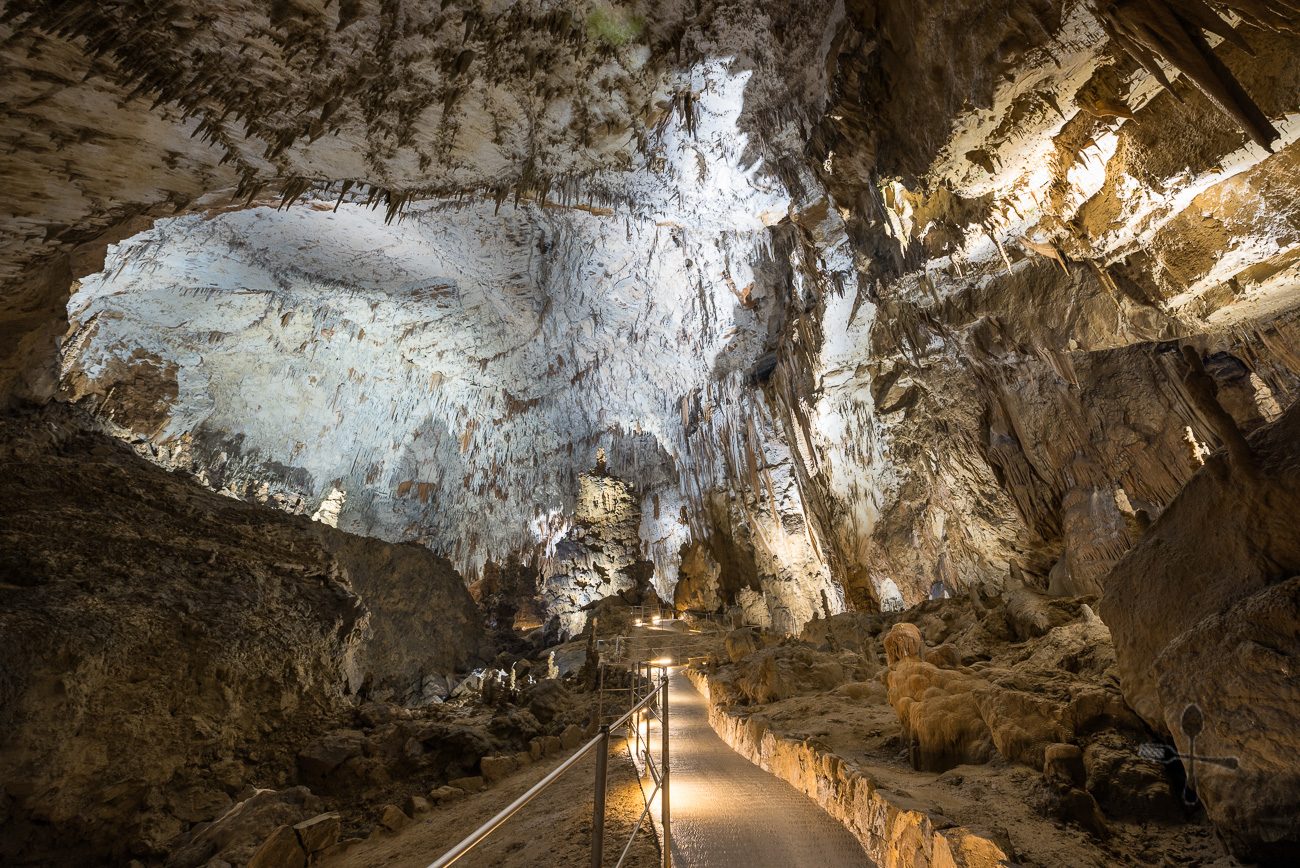
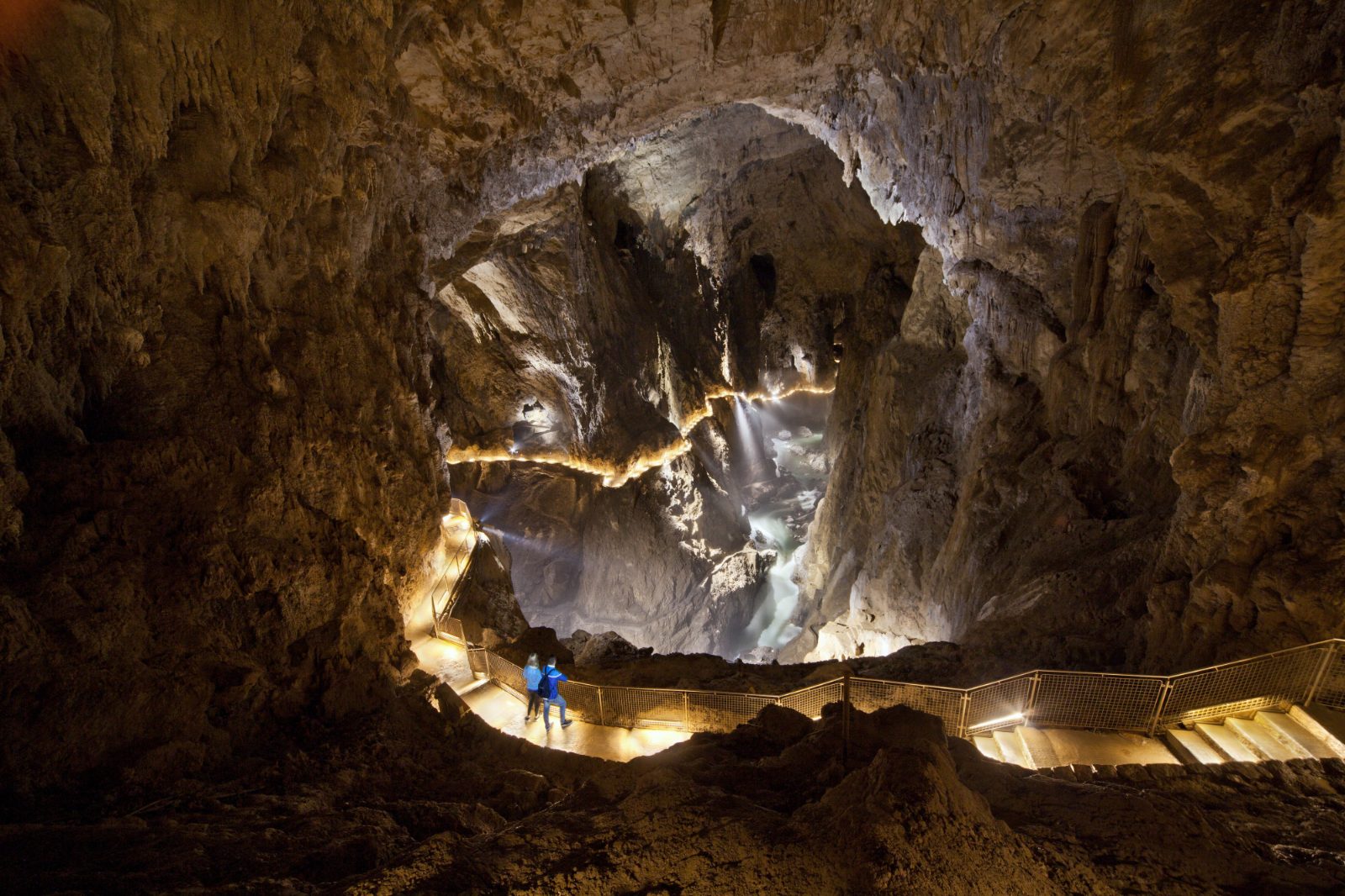
The largest hall in the Silent Cave, home to the massive Orjak stalagmite.
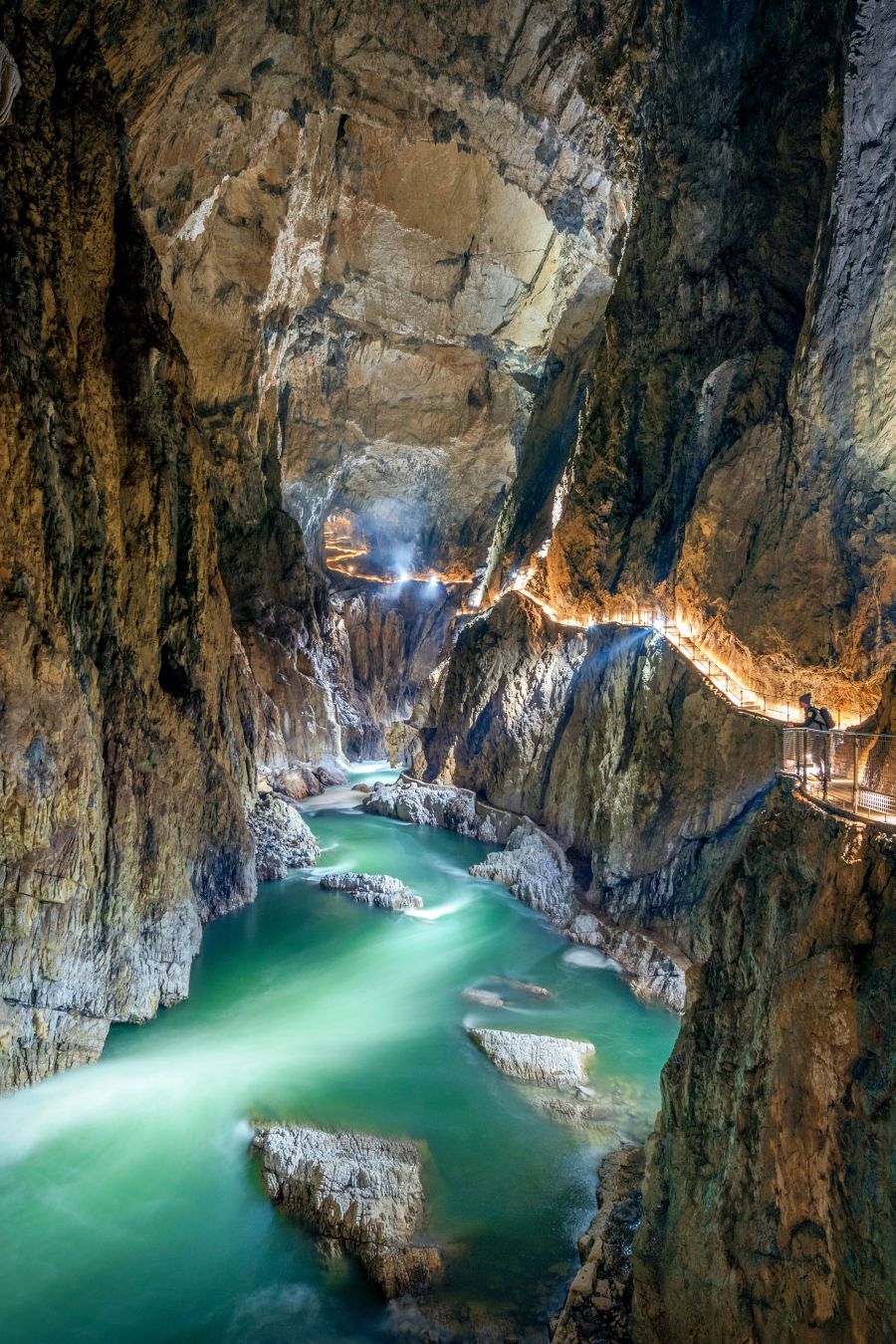
The section where the Reka River roars through the underground canyon.
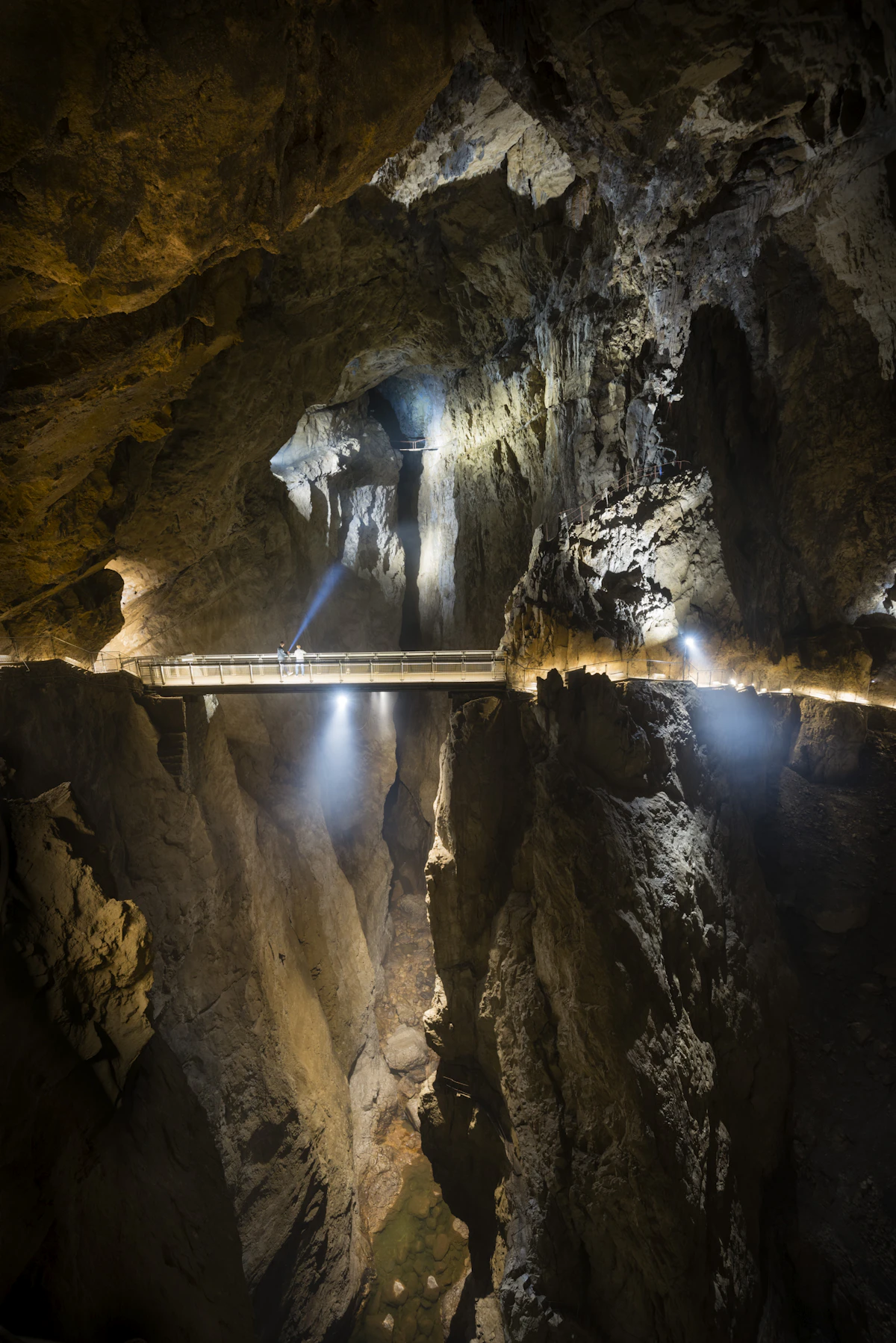
A dramatic bridge suspended 47 meters above the underground Reka River.
A massive natural sinkhole forming part of the surface trail.
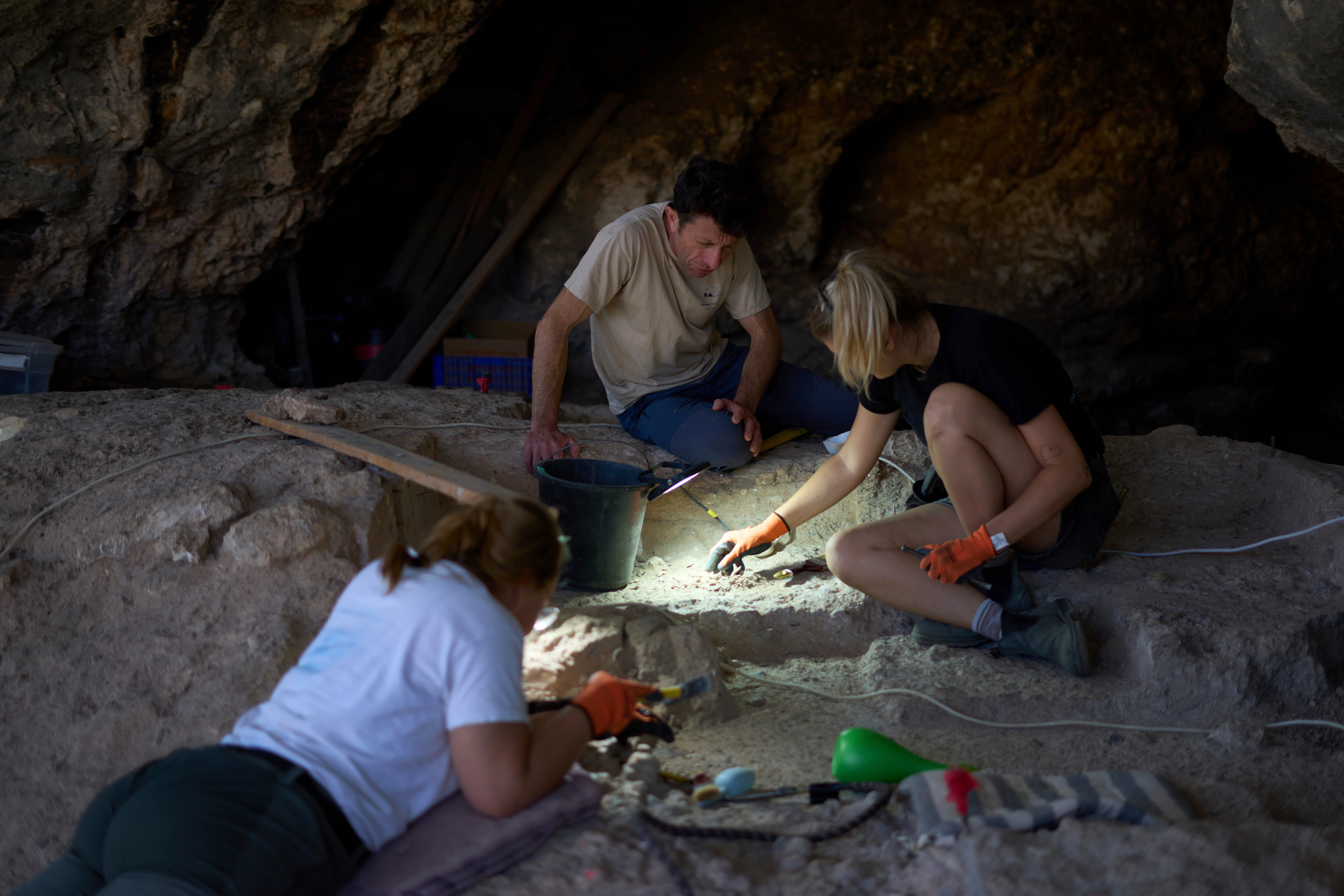
An archeological site featuring waterfall views and historical artifacts.
You cross the Italian border at Villa Opicina and descend through the karst plateau, arriving at the park entrance 30 minutes before your reserved tour time. After collecting tickets at the stone visitor centre, you join your group at the cave mouth where the trail begins its descent.
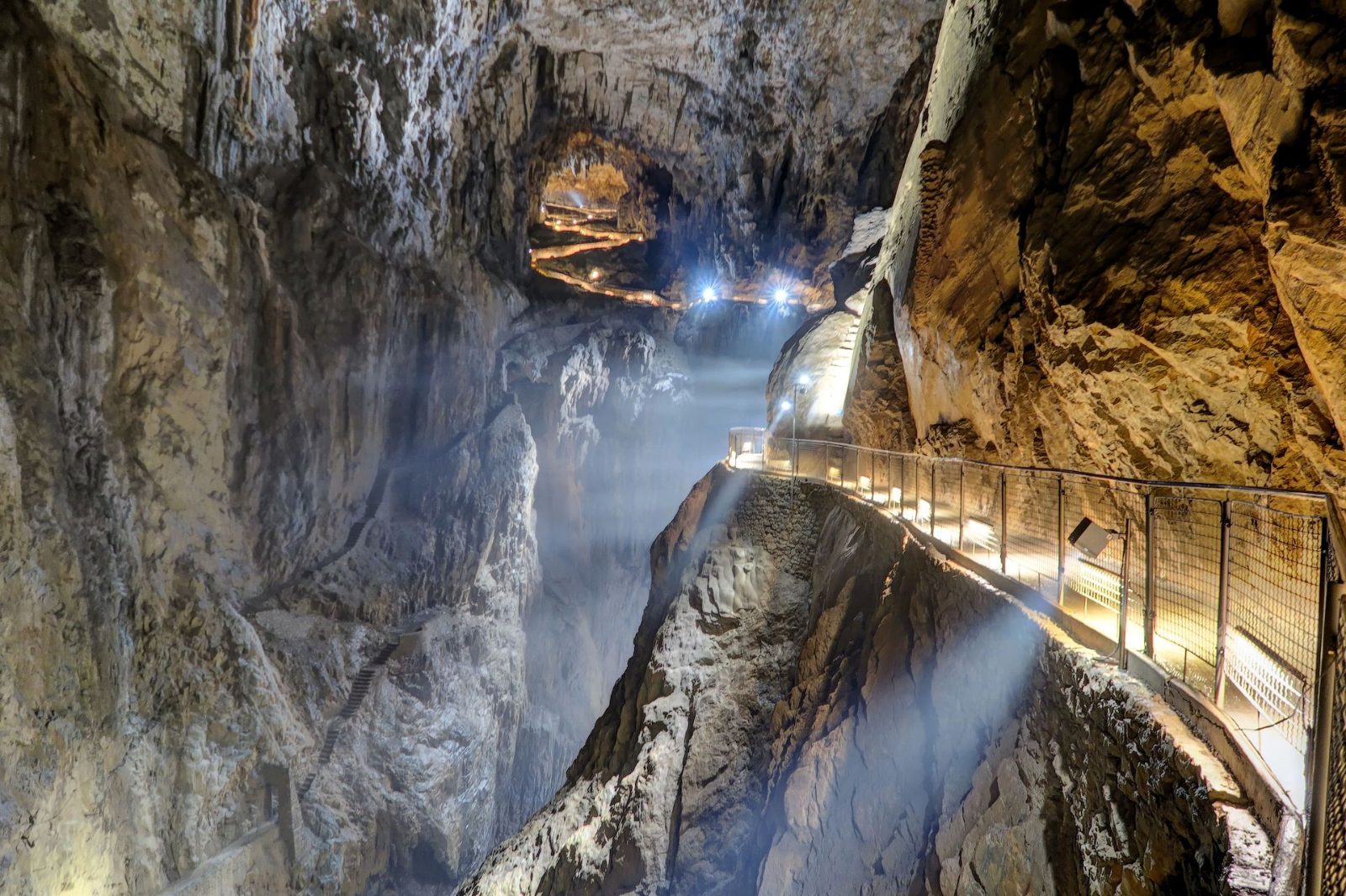
The first 200 steps lead through Tomažini's Cave, a dry gallery lined with calcite draperies. Your guide pauses at the Natural Bridge — a limestone span formed when the ceiling collapsed 8,000 years ago. You continue downward through narrowing passages until the sound of rushing water echoes from below.
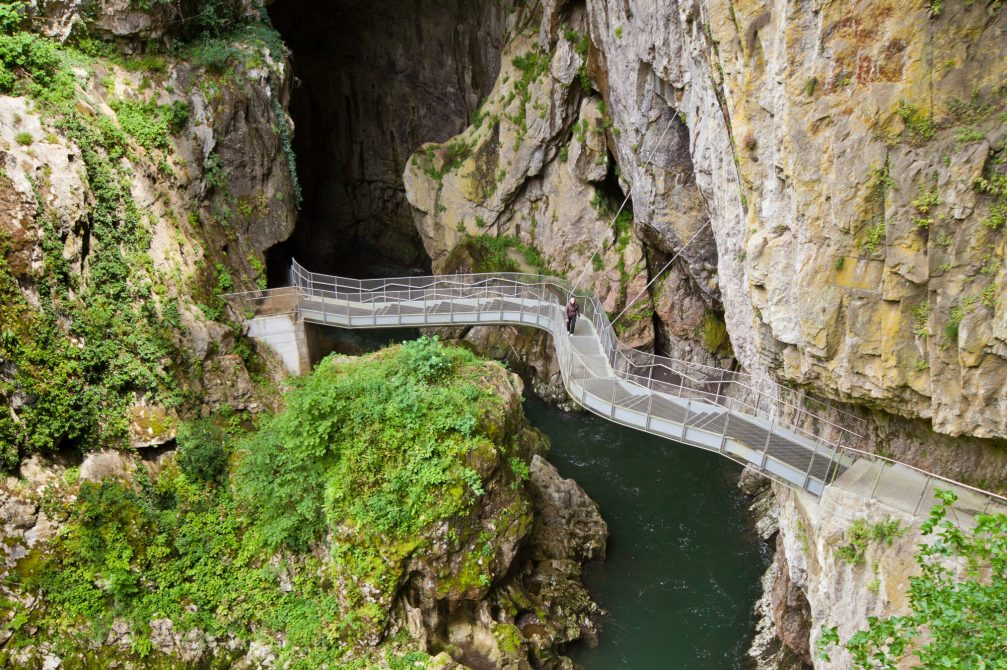
Cerkvenik Bridge appears suddenly: a steel walkway suspended above the underground Reka gorge. You pause mid-span, 47 metres above the river, as mist rises from the torrent. The guide points out erosion marks on the canyon walls — flood levels from winter storms when the river swells to 10 times its base flow.
The route climbs through Müller's Hall, where your group stops beneath a flowstone curtain six metres wide. The final ascent winds through the exit tunnel, depositing you on the plateau rim with views across forested dolines. You return to the visitor centre for coffee before the drive back to Trieste.
All the details about your upcoming adventure in one place
The Škocjan Caves from Trieste offer a seamless cross-border excursion to Slovenia's most dramatic karst formations, where the Reka River carved a 6-kilometer subterranean canyon over millions of years. Daily Škocjan Caves from Trieste tours depart just 90 minutes from the Italian coast, delivering you to vast chambers, a 45-meter natural bridge, and the thundering underground gorge that earned UNESCO World Heritage status in 1986. Guided visits follow concrete walkways and suspension bridges through ecosystems ranging from temperate forest to absolute darkness, with multilingual commentary covering geology, endemic cave fauna, and the site's role in early speleology research.
The Reka River vanishes into a 146-metre chasm beneath the Slovenian Karst, creating the largest known underground canyon in Europe. Škocjan Caves earned UNESCO World Heritage status in 1986 for their exceptional geological formations and five-millennia human relationship with the karst landscape.
Bronze Age pottery fragments recovered from entrance chambers confirm ceremonial use dating to 2000 BCE.
The cave system extends six kilometres through limestone dissolved over three million years. Cerkvenik Bridge, suspended 47 metres above the subterranean Reka, spans the widest section of Müller's Hall — a cavern large enough to contain the volume of London's Royal Albert Hall. Flowstone curtains descend from vaulted ceilings where colonies of long-fingered bats roost between May and September. Winter humidity holds at 100 percent; temperatures stabilize at 12 degrees Celsius year-round.
For visitors crossing from Trieste, the 90-minute drive traces the former Austro-Hungarian rail corridor through vineyard terraces and white villages. The site operates as a protected park encompassing 413 hectares of surface karst features: dolines, disappearing streams, and collapsed cave roofs now colonized by endemic Dinaric flora. Guided tours follow the educational trail established in 1884, when the Austro-Hungarian Society for the Exploration of Caves installed the first electric lighting in a show cave anywhere in the former empire.
The route descends 500 steps through natural galleries named for 19th-century speleologists. Rangers lead groups past formations including the Giant stalagmite — nine metres tall, still growing at one cubic centimetre per century. The exit tunnel, bored in 1933, bypasses the original entrance used by smugglers during the Napoleonic Wars. Above ground, the Visitor Centre houses a permanent exhibition on karst hydrology and the endemic Proteus anguinus — the blind cave salamander found only in Dinaric aquifers. The site remains the most accessible entry point to the classical karst region for day-trippers from northeastern Italy.

The Reka River vanishes into a 146-metre chasm beneath the Slovenian Karst, creating the largest known underground canyon in Europe.
Visitors should wear comfortable, sturdy walking shoes and warm clothing. Temperatures inside the Škocjan Caves remain at a constant 9–12°C, necessitating a jacket or sweater even during summer.
Large bags are discouraged as the walking path covers 3km with significant elevation changes and 500 steps. Visitors must follow staff instructions at all times to protect the UNESCO-listed environment.
Photography is strictly prohibited inside the Škocjan Caves to protect the fragile underground ecosystem. You may take photos in the surface areas, including the collapse dolines.
Families are welcome, though the tour is not suitable for young children in prams. Children under 16 must be accompanied by an adult, and the walk requires the ability to climb 500 steps.
The Škocjan Caves are not accessible for wheelchair users or strollers due to the steep terrain and 500 steps. Visitors should possess a moderate level of physical fitness to complete the guided tour.
Food and drink are not permitted inside the caves. Several dining options, such as Gostilna pri Jami, are available near the entrance to the Škocjan Caves.
Opening hours
09:00–15:00
Address
Škocjan 2, 6215 Divača, Slovenia
Step count (access)
500
Best arrival window
09:00–14:30
Phone
+386 57082100
Official site
https://www.park-skocjanske-jame.si
Car · 45 min from Trieste · Free
Follow the A1 motorway to the Divača exit; ample parking is available on-site.
Tickets for the Škocjan Caves are generally non-refundable once issued, in accordance with EU leisure service directives. Refunds are provided only if the park cancels operations or if a booking error occurs on the operator's side.
Recommended time
3-4 hours
Planning your trip for skocjan caves from trieste requires coordinating travel time with the rigid schedules of guided subterranean tours. A visit typically spans several hours to account for the trek through the limestone chambers, the underground river canyon, and the challenging 500 step climb back to the surface. By securing skocjan caves from trieste tickets in advance, you ensure access to the specific departure times that align with your arrival. Those opting for skocjan caves from trieste tours often find that arriving early helps manage the transition from the transit vehicle to the organized walking groups.
Crowd levels through the day
Weather · crowds · average price — dots go green to amber to red as each metric rises.
Mild weather is ideal for visiting the surface trails alongside the underground canyon.
Expect high visitor numbers; book your skocjan caves from trieste tickets well in advance.
Cooler air and quieter paths make for a peaceful skocjan caves from trieste tour experience.
Fewer daily tours are available, requiring careful planning for your skocjan caves from trieste visit.
Always secure your skocjan caves from trieste tickets at least five days before your planned visit during peak seasons.
Aim for the 09:00 slot to enjoy fewer crowds during your skocjan caves from trieste tour.
Eat before arriving, as the 2-hour underground walk is strenuous and food is not allowed.
Ensure you have your QR code ready on your phone or printed for the entry check-in.
The caves are open in most weather, but bring an umbrella for the outdoor sections of the route.
The Škocjan Caves were known to local communities for millennia, with archaeological evidence confirming human presence in the entrance chambers as early as the Bronze Age. Greek geographer Posidonius documented the disappearing Reka River in the second century BCE, recording one of the earliest written references to the karst phenomenon that defines the region. During the Renaissance, Italian naturalists attempted to trace the river's subterranean course, but the main gorge remained largely inaccessible until the nineteenth century. Early visitors to the Škocjan Caves from Trieste relied on rope ladders and torches to navigate the treacherous passages, with formal exploration beginning only after Anton Friedrich Lindner's 1839 survey established the first documented route through the Murmuring Cave. Systematic cave research accelerated in 1884 when the Trieste-based Adriatic Railway Society funded a comprehensive mapping expedition led by Anton Hanke and Josef Marinitsch. The team constructed wooden bridges and pathways through the Silent Cave and installed the first permanent lighting system in 1890, transforming the site from a local curiosity into an organized attraction. The Cerkvenikov Bridge, a fifty-meter span suspended above the underground canyon, was completed in 1933 and remains one of the most dramatic engineering achievements in European speleology. World War I brought damage to the access infrastructure, and partisan activity during World War II forced temporary closures, yet the caves survived both conflicts with minimal geological harm. UNESCO designated the Škocjan Caves a World Heritage Site in 1986, recognizing both their geological significance and the pioneering conservation work undertaken by Slovenian researchers. The Park Škocjanske Jame public service agency, established in 1996, now oversees scientific study, visitor management, and biodiversity protection across the reserve. Modern tours on the Škocjan Caves from Trieste route follow the same underground river passage that challenged nineteenth-century explorers, though today's reinforced pathways and LED lighting render the journey far safer than the expeditions that first revealed the caverns to the wider world.
Greek geographer Posidonius recorded the disappearing Reka River, providing the earliest written account of the karst system.
Anton Friedrich Lindner conducted the first documented survey of the Murmuring Cave, establishing a reference route for future expeditions.
The Adriatic Railway Society funded a comprehensive mapping expedition led by Anton Hanke and Josef Marinitsch.
Permanent electric lighting was installed in the Silent Cave, marking the transition from exploration to organized tourism.
Engineers completed the Cerkvenikov Bridge, a fifty-meter suspension span over the underground canyon.
UNESCO inscribed the Škocjan Caves on the World Heritage List for their outstanding karst geology and biodiversity.
The Slovenian government established Park Škocjanske Jame as the official management authority for conservation and visitor services.
Real experiences from real travelers
We took the skocjan caves from trieste route on a Saturday morning and arrived in under an hour. The underground canyon is genuinely impressive, with the river echoing through chambers that dwarf you. Guide spoke clear English. Wear proper shoes since the paths get damp.
The scale of the caverns took us by surprise. Walking across the suspension bridge with the Reka River far below was a highlight of our Slovenia trip. Temperature inside stays around 12°C year-round, so bring a jacket even in summer.
Škocjan offers a unique experience compared to other European caves we visited. The collapsed doline creates dramatic natural light zones. Tour lasts about 90 minutes and moves at a steady pace through multiple chambers.
The unesco protected caves from trieste are truly spectacular, especially the Great Hall section. We visited mid-morning in June and the group size was around 40 people, which made photography challenging in narrower passages. Still recommended.
As someone interested in karst formations, these caves exceeded expectations. The underground canyon system stretches over 6 kilometers total, though the tourist route covers about 3. The Reka River's power is evident in the carved limestone walls.
We drove from Trieste specifically for skocjan caves from trieste and it delivered. The natural bridge spanning the collapse is visible from above before you descend. Inside, the acoustics and scale create an otherworldly atmosphere. Book tickets online to secure your preferred time slot.
The caves demonstrate textbook examples of underground river erosion through limestone bedrock. Our guide explained the ongoing formation processes and pointed out calcite deposits dating back thousands of years. Educational and visually striking.
Visited in late April when the Reka River flow was strong from snowmelt. The sound of rushing water amplifies throughout the cavern system. Temperature contrast between outside warmth and cave cool was welcome. Paths well maintained with good handrails.
After researching skocjan caves from trieste options, we chose the classic tour and weren't disappointed. The sheer vertical drop from the walkways to the river creates genuine vertigo. Photography allowed without flash, though low light makes tripods useful.
Everything you need to know for your journey
The Škocjan Caves are open daily from 09:00–15:00. Arrive at the reception center at least 30 minutes before your scheduled departure.
It is highly recommended to book your tickets in advance online. On-site availability is not guaranteed for a skocjan caves from trieste tour, especially in peak months.
The tour is not suitable for strollers due to the 500 steps. Families are welcome, provided children under 16 are accompanied by an adult.
There are no formal locker facilities mentioned for large bags inside. Keep your gear light for the 3km underground walk.
Photography is not allowed inside the caves to protect the environment. You may capture the beautiful scenery of the collapse dolines outside.
The guided tour involves approximately 500 steps. Be prepared for a moderate hike throughout your visit.
The entrance fee is 24 EUR for a standard adult guided tour ticket.
Wear comfortable sports clothing, a warm jacket, and sturdy shoes, as the cave temperature is a constant 9–12°C.
Pets are strictly prohibited inside the Škocjan Caves and should not be brought to the site.
Tickets are non-refundable per the operator policy. Review your dates carefully before confirming your booking for a skocjan caves from trieste tour.
Home of the famous white Lipizzaner horses and historic stables.
A unique Renaissance castle built into the mouth of a cave.
Scenic walking paths showcasing the surface karst landscape.
Exhibits detailing the 5,000-year history of the region.
Convenient options near the park entrance.
Upscale lodging located near the famous stud farm.
Diverse accommodation choices near the Italian border.
Join thousands of happy travelers who have discovered this incredible experience
Book Your Experience Now